Get Involved
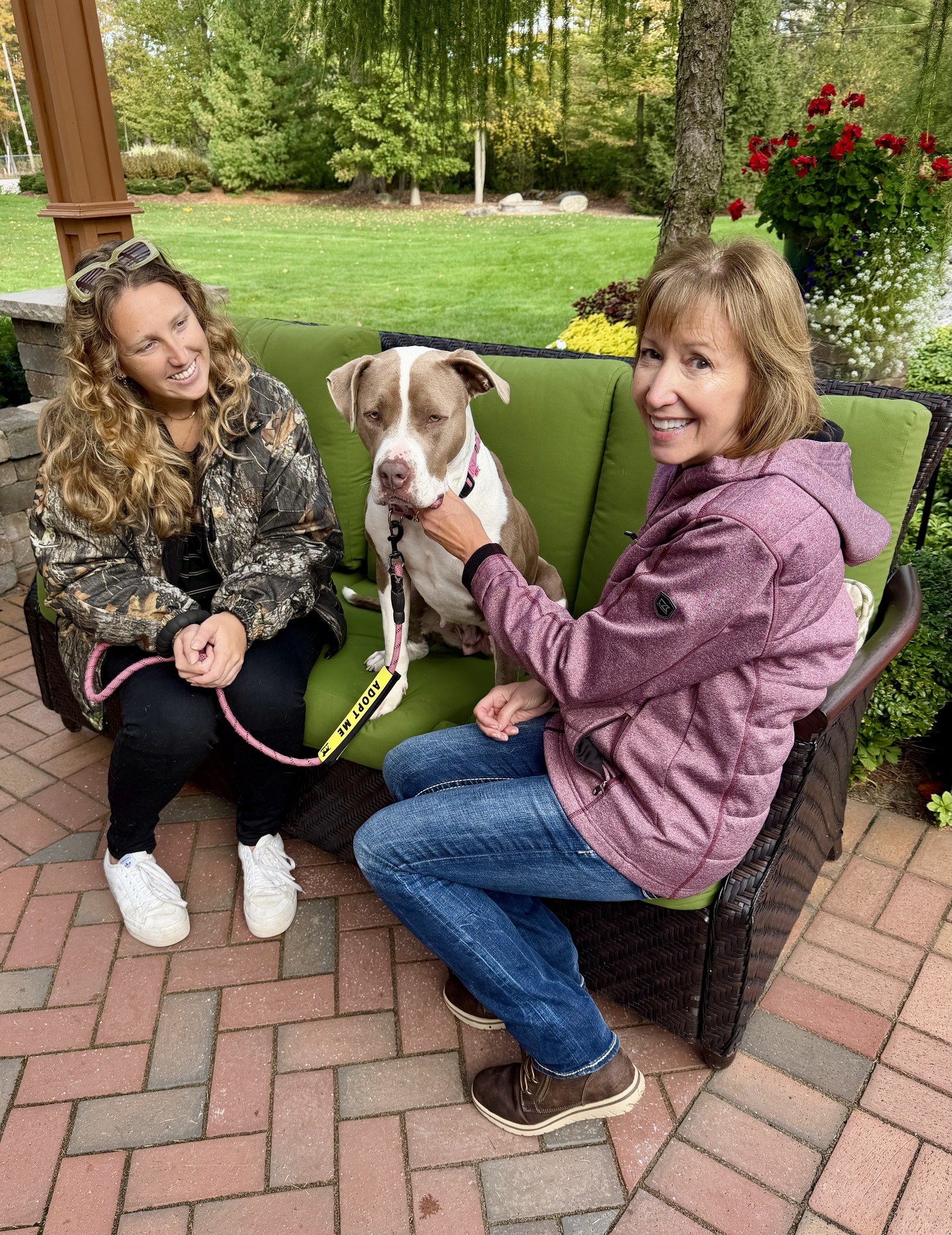
Volunteering at the Humane Society of Midland County
Compassionate volunteers are essential to helping the Humane Society of Midland County thrive. By contributing your time, whether it’s one hour a week or more, you help us continue our mission of caring for animals in need. We have many opportunities both inside the shelter and out in the community. If you have other skills you’d like to share—such as building maintenance, marketing experience, or creative fundraising ideas—we would love to hear from you.
Volunteer Opportunities
Volunteers assist in many ways, including:Developing and organizing fundraising eventsEducating others through public speakingPerforming administrative tasksCreating promotional materials such as flyersDriving transport vehiclesCreating crafts to raise money at fundraisersWriting and researching grantsWalking dogs and socializing catsRunning booths at events, including parades and expos
How to Become a Volunteer
The first step to becoming a volunteer is to complete our online volunteer application.After submitting your application, you will be contacted by email to schedule your Volunteer Orientation.Each individual volunteering must complete their own application, regardless of age.Those volunteering as part of a group of 3 or more who do not plan to volunteer regularly should email us as instructed below.
Click here to start the volunteer signup process.
Group Volunteering
If you have a group interested in volunteering, please contact our Volunteer Coordinator at volunteer@hsomc.org.Group members must be 18 years or older. Groups must be 12 people or fewer due to limited shelter space. Groups may assist with day-to-day tasks or special projects as needs arise.
Court-Ordered Community Service
We accept court-ordered community service volunteers on a case-by-case basis. Volunteers must be 18 years or older.
Dog Walking Color & Shape System
To help volunteers quickly identify which dogs they are able to walk, our kennel uses a color and shape identification system on the dog walking board.Shapes are included so that volunteers who have difficulty distinguishing colors can still easily recognize each category.Please always check the dog’s color and shape before removing a dog from their kennel.
🟢 Green Dogs — Circle
Green Dogs are identified by a green marker and circle shape.These dogs are appropriate for new volunteers and youth volunteers. They are generally easier to handle and do well with a variety of handlers.Green Dogs may still display normal dog behaviors such as pulling on the leash, jumping with excitement, or being energetic, but they typically do not present major handling challenges.New volunteers should begin with Green Dogs until they feel comfortable with kennel procedures and leash handling.
🟡 Yellow Dogs — Triangle
Yellow Dogs are identified by a yellow marker and triangle shape.These dogs require extra awareness and attention while being walked and may have specific behavioral or handling considerations.Examples may include:Pulling harder on the leashReactivity toward other dogsDifficulty returning to their kennelShy or nervous personalitiesVolunteers may walk Yellow Dogs after becoming comfortable handling Green Dogs and following any instructions posted on the kennel card or walking board.
🔴 Red Dogs — Hexagon
Red Dogs are identified by a red marker and hexagon shape.These dogs are staff-only walks unless special permission is granted.Dogs may be designated Red for several reasons, including:Bite quarantine or legal holdCourt case or investigation holdBehavioral concerns requiring experienced handlersStrength or handling needs beyond volunteer safety limitsVolunteers may not walk Red Dogs unless they are a seasoned volunteer who has received approval from a staff member for that specific dog.This system helps keep both people and dogs safe, while ensuring every dog receives the appropriate level of care.
Volunteer Age Requirements
Volunteer age groups determine what activities and dog handling levels are appropriate.
Ages 10–13
Volunteers must always be accompanied by a parent or guardian.
They may assist with housekeeping tasks or cat care but may not be in control of a dog.
Ages 14–15
Volunteers must be accompanied by a parent or guardian.
They may participate in most volunteer activities, including holding the leash of a Green-level dog.
Ages 16–17
Volunteers may be on the premises with or without a parent or guardian present.
They may participate in most activities but are limited to walking Green-level dogs.
Ages 18+
Volunteers ages 18 and older may independently participate in all volunteer activities and may walk Green and Yellow dogs.Volunteer restrictions may be adjusted at any time by HSoMC staff or the Volunteer Coordinator to ensure the safety of volunteers, staff, and animals. For questions about volunteering, please contact volunteer@hsomc.org.
Volunteer Precautions & Notes
Active volunteers may volunteer whenever staff are present at the shelter. Volunteers may come as often as they would like.If a volunteer becomes inactive for a period of time, their account may be archived. To return, they must contact the Volunteer Coordinator and may be asked to complete orientation again.
Attire: Appropriate attire is required when volunteering:Weather-appropriate clothing (jackets, coats, gloves, etc. when necessary)Closed-toe shoes at all timesClothing with inappropriate imagery or text is prohibited
Safety & Hazards: Volunteers may encounter animals that bark, jump, scratch accidentally, run into people, or otherwise behave unpredictably.Volunteers may also be exposed to cleaning products such as bleach, vinegar, disinfectants, and other cleaning agents. Those with sensitivities should consider participating in other volunteer tasks.After volunteering, clothing should be changed and shoes sanitized to prevent potential illnesses from being transferred to pets at home.Volunteers are expected to follow all HSoMC guidelines and safety procedures. Failure to follow shelter rules may result in dismissal for the safety of volunteers, staff, and animals.
Please note: a physical copy will be provided during your scheduled orientation.
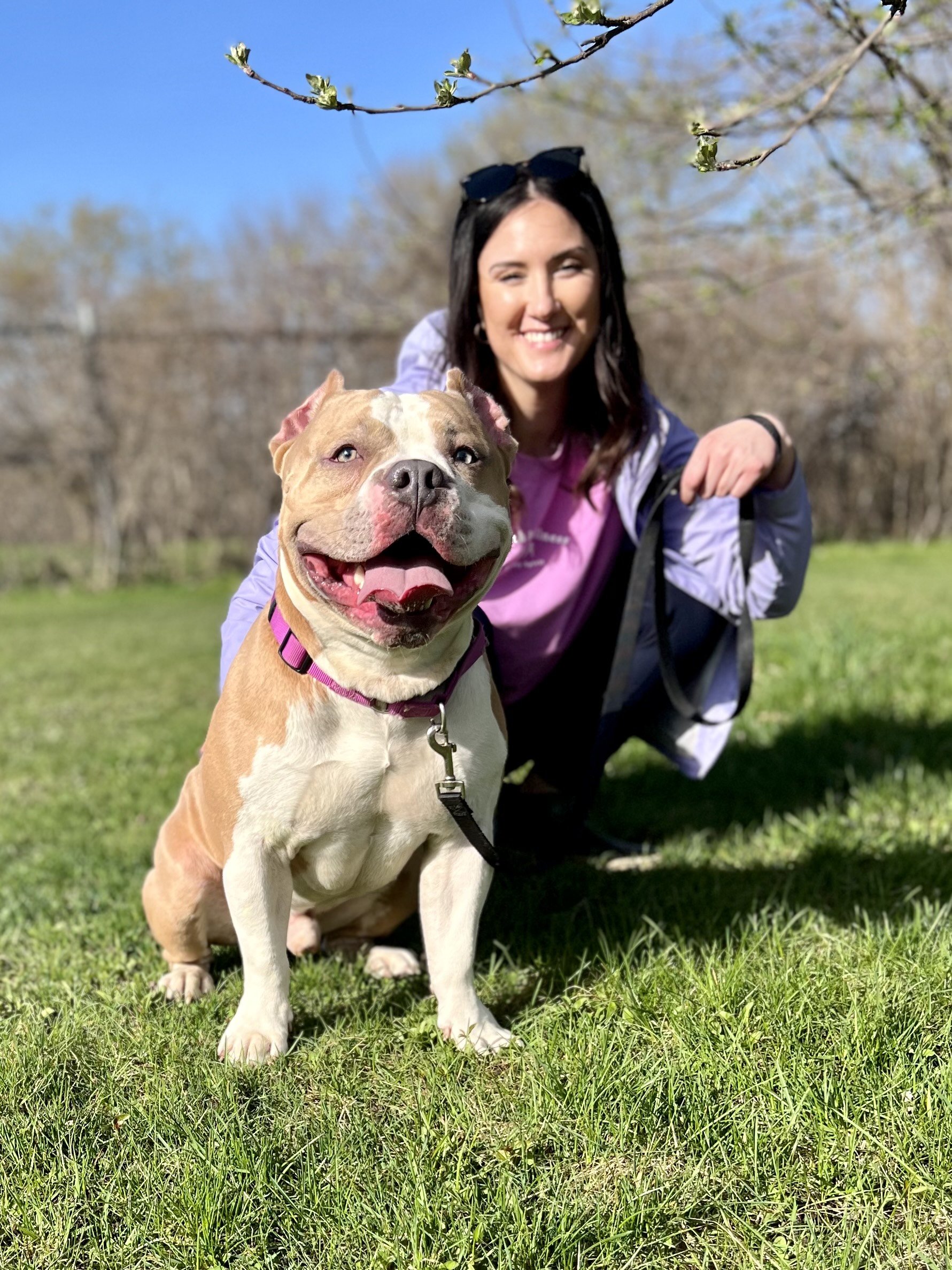
Foster Care Volunteers
Foster care volunteers provide temporary homes for the pets that come into our shelter. Some animals need a home for a short time, while others may require a longer stay. Foster pet parents help prepare the animal for adoption into a loving forever home. The more foster parents we have available, the more lives we can save!
Current Volunteers
If you have any other questions about volunteering, please contact our Volunteer Coordinator at volunteer@hsomc.org.
Frequently Asked Questions
-
Foster homes serve many purposes in animal rescue. Some animals that come into the shelter need extra care before adoption. Foster homes allow these pets quieter settings in which they can recover from surgery or get used to human interaction. Foster homes allow us to care for pets that are difficult to care for within the shelter due to age, health or injury.
-
To become a pet foster parent, please fill out an application form.
-
Common foster pets include:
Orphaned puppies and kittens that require bottle feeding every two to four hours
Kittens, puppies and their mothers (until the kittens/puppies are eight weeks of age and two pounds)
Animals recovering from treatable illnesses
Underweight animals
Animals in need of minor behavior modification or socialization
Senior dogs and cats
-
To be a pet foster parent, you need to meet the following requirements:
Be at least 18 years of age
Home owner or renter
Veterinary reference plus your family pets need to be up-to-date on healthcare and spayed/neutered
Foster pets must be isolated from family pets for 10 days
You need to be a member of HSoMC
For renters: Fees associated with pets in your rental will be covered by the renter. We will speak to the landlord to ensure pets are allowed in your rental.
-
The shelter provides all medical care for dogs and cats, including age-appropriate vaccines and parasite control. The shelter can also provide food and litter if needed.
-
Foster parents provide a safe and loving environment for foster pets. Other expectations include:
Pets in your care will be socialized on a daily basis.
Pets will be brought to the shelter for care and vaccines as needed.
On occasion, you may need to bring your foster pet to the veterinarian if there is an injury or health issue. This can be scheduled by the shelter and needs to be discussed with the shelter beforehand; otherwise, veterinary costs are not covered.
You will take photos and record animal biographies of their time with you. If you cannot take photos, we have volunteer photographers available.
-
The duration of a foster pet’s stay depends on why they need foster care. Pets usually stay in a foster home between two and twelve weeks.
-
The time table to becoming a foster parent varies throughout the year. You will be contacted by the shelter director or foster coordinator when a pet needs foster care. Foster families are matched with our pets for the best results, and you are under no obligation to take in foster pets if you do not feel the pet is a match.
-
Spring and summer are the busiest times of the year. During these seasons, we especially need foster homes for kittens and their mothers.
-
Good news! If you fall in love with your foster, you can adopt the pet as long as there is no adoption pending. Many foster families end up adopting their foster pets.